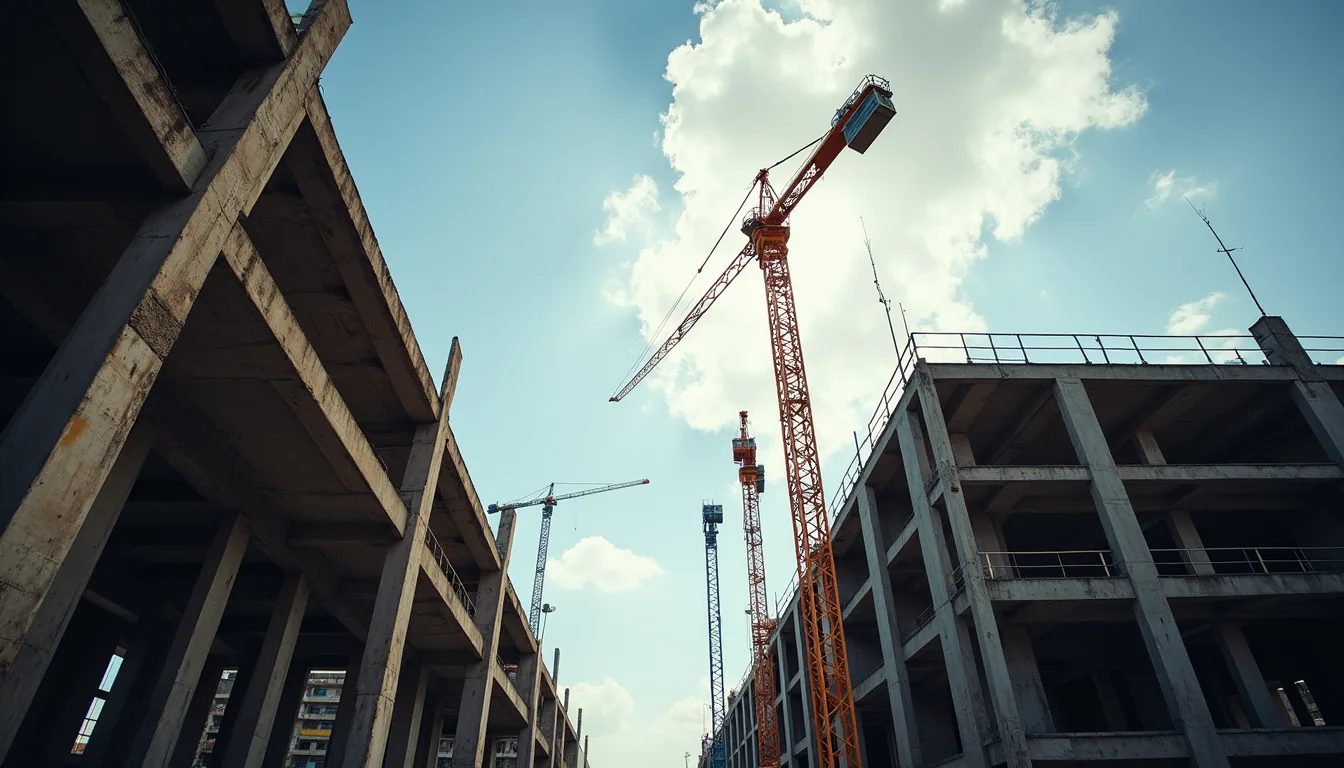
Accurate construction budget estimation is essential for the success of any building project. It helps control costs, avoid surprises, and ensure that the project stays on track financially. Without a clear budget, projects risk delays, overspending, and disputes. I will explain how precise cost estimation improves project outcomes and share practical steps to create reliable budgets.
The Importance of Construction Budget Estimation
Construction budget estimation sets the financial foundation for a project. It involves forecasting all costs related to materials, labour, equipment, permits, and contingencies. A well-prepared budget allows stakeholders to:
- Plan resources effectively
- Secure financing with confidence
- Identify potential cost overruns early
- Make informed decisions on design and scope
For example, if a contractor knows the exact cost of materials upfront, they can negotiate better prices or adjust the project scope to fit the budget. Clients benefit by understanding the financial commitment before work begins, reducing the risk of unexpected expenses.
Budget estimation also supports risk management. By including contingency allowances, the project can absorb unforeseen costs without derailing the entire plan. This proactive approach protects profit margins and maintains trust between contractors and clients.
Key Components of Construction Budget Estimation
A comprehensive construction budget includes several key components. Each must be carefully estimated to ensure accuracy:
- Direct Costs These are costs directly tied to construction activities, such as materials, labour, and equipment. For example, the cost of bricks, concrete, and skilled workers fall under this category.
Direct Costs
These are costs directly tied to construction activities, such as materials, labour, and equipment. For example, the cost of bricks, concrete, and skilled workers fall under this category.
- Indirect Costs These include expenses not directly linked to physical construction but necessary for project completion. Examples are site supervision, insurance, permits, and temporary facilities.
Indirect Costs
These include expenses not directly linked to physical construction but necessary for project completion. Examples are site supervision, insurance, permits, and temporary facilities.
- Contingency A percentage of the total budget set aside for unexpected costs. This buffer helps manage risks like price fluctuations or design changes.
Contingency
A percentage of the total budget set aside for unexpected costs. This buffer helps manage risks like price fluctuations or design changes.
- Profit Margin Contractors include a margin to cover overheads and ensure profitability.
Profit Margin
Contractors include a margin to cover overheads and ensure profitability.
- Escalation Accounts for inflation or price increases over the project duration.
Escalation
Accounts for inflation or price increases over the project duration.
Each component requires detailed analysis and reliable data. Using historical cost records and market research improves the accuracy of these estimates.
How to Estimate the Cost of Construction?
Estimating construction costs involves a systematic approach. Here are the main steps I follow:
1. Define Project Scope and Specifications
Clear project details are essential. This includes architectural drawings, material specifications, and timelines. The more detailed the scope, the more precise the estimate.
2. Quantity Takeoff
Measure and list all materials and labour needed. This step involves calculating quantities from drawings, such as cubic metres of concrete or square metres of flooring.
3. Price Research
Gather current prices for materials, labour rates, and equipment hire. Prices vary by location and market conditions, so up-to-date data is crucial.
4. Apply Unit Costs
Multiply quantities by unit prices to get total costs for each item. For example, 100 square metres of tiles at £20 per square metre equals £2,000.
5. Add Indirect Costs and Contingency
Include overheads, permits, and a contingency percentage (usually 5-10%) to cover uncertainties.
6. Review and Adjust
Cross-check the estimate with similar past projects or consult experts. Adjust for any unique project factors.
Using a construction cost estimator tool can streamline this process. It helps automate calculations and maintain consistency.
Benefits of Using a Construction Cost Estimator
A construction cost estimator tool offers several advantages:
- Speed and Efficiency: Automates calculations and reduces manual errors.
- Consistency: Standardises estimates across projects.
- Data Management: Stores historical data for future reference.
- Scenario Analysis: Allows quick adjustments to test different design or material options.
- Improved Communication: Provides clear, professional reports for clients and stakeholders.
For contractors and clients, these benefits translate into better project control and fewer financial surprises. It also supports Remote QS Consulting’s goal of delivering reliable, defensible data to protect project margins.
Best Practices for Accurate Construction Budget Estimation
To enhance project outcomes, follow these best practices:
- Start Early: Begin cost estimation during the design phase to influence decisions.
- Use Reliable Data: Base estimates on current market prices and verified historical data.
- Include All Costs: Don’t overlook indirect costs or contingencies.
- Regularly Update Estimates: Revise budgets as project details evolve.
- Collaborate with Experts: Engage quantity surveyors or cost consultants for complex projects.
- Document Assumptions: Clearly state what is included or excluded in the estimate.
By applying these principles, you reduce risks and improve financial control throughout the project lifecycle.
Enhancing Project Success Through Cost Estimation
Accurate construction budget estimation is more than a financial exercise. It shapes project planning, execution, and delivery. When budgets are realistic and well-managed, projects finish on time and within cost. This builds trust and strengthens business relationships.
For contractors, precise estimates protect profit margins and support competitive bidding. Clients gain confidence knowing their investment is managed responsibly. Ultimately, cost estimation drives better decision-making and project outcomes.
I encourage all involved in construction projects to prioritise detailed, data-driven budget estimation. It is a critical step toward successful, sustainable construction.
By focusing on clear, practical cost estimation methods, projects can avoid common pitfalls and achieve their goals efficiently. Reliable budgets empower all parties to work with confidence and clarity.