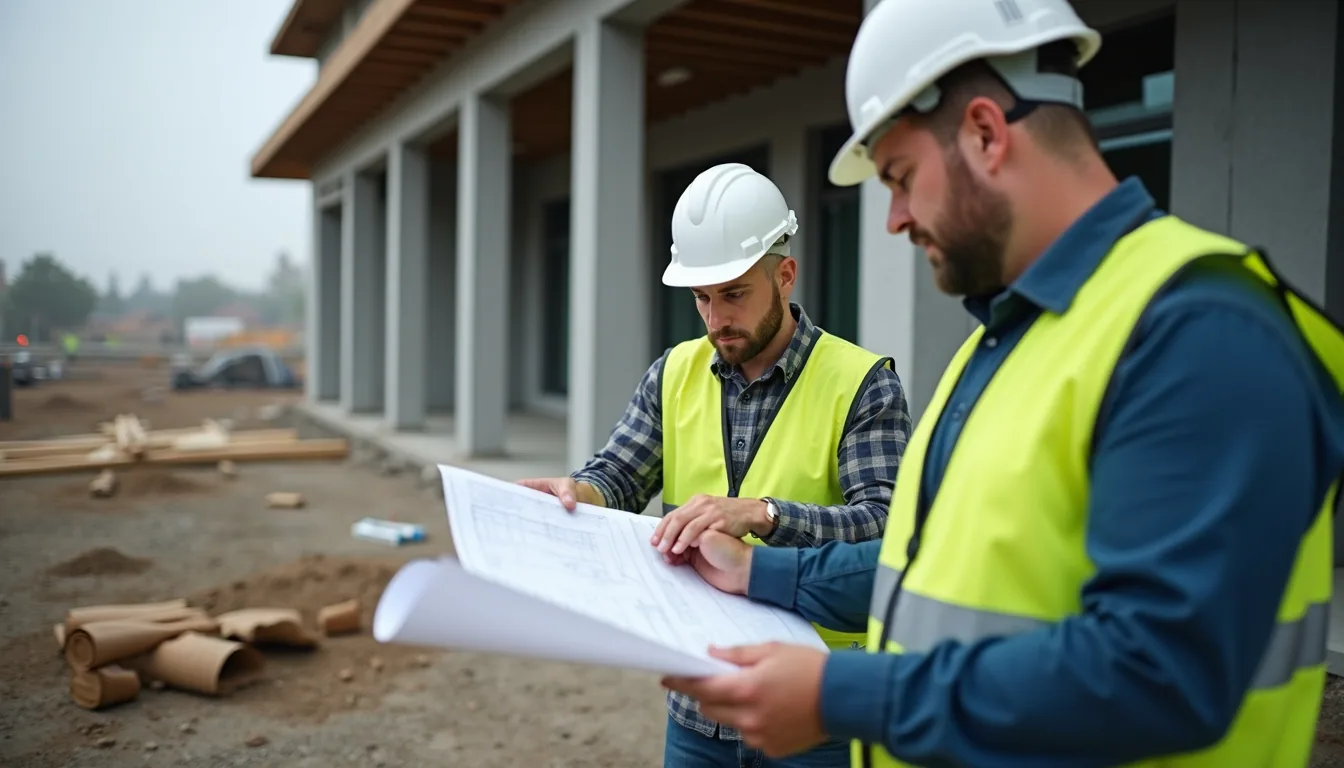
Managing costs is a critical part of any construction project. Without proper control, expenses can quickly spiral out of hand, affecting profitability and project success. I focus on clear, practical methods to maintain financial oversight throughout the construction process. This post breaks down the fundamentals of construction cost control and offers actionable advice to keep projects on budget.
The Importance of Construction Financial Oversight
Construction financial oversight means actively monitoring and managing all costs related to a project. It involves tracking expenses, forecasting future costs, and making adjustments to avoid overruns. Without this oversight, projects risk delays, disputes, and financial losses.
Effective financial oversight helps:
- Identify cost risks early
- Improve decision-making with accurate data
- Maintain cash flow and budget discipline
- Enhance communication between stakeholders
For example, a contractor who regularly reviews purchase orders and subcontractor invoices can spot discrepancies before they escalate. This proactive approach reduces surprises and keeps the project financially healthy.
Key Elements of Construction Cost Control
Cost control in construction involves several key elements. Understanding and applying these elements ensures you maintain control over your budget.
1. Budget Planning
Start with a detailed, realistic budget. Break down costs by categories such as labour, materials, equipment, and subcontractors. Use historical data and market rates to estimate costs accurately.
2. Cost Tracking
Track all expenses as they occur. Use software or spreadsheets to record costs daily or weekly. This real-time tracking helps identify variances early.
3. Change Management
Changes to the project scope can impact costs significantly. Implement a formal change order process to evaluate and approve changes before work begins.
4. Forecasting
Regularly update cost forecasts based on current spending and project progress. This helps predict final costs and allows for timely corrective actions.
5. Reporting
Provide clear, concise reports to all stakeholders. Reports should highlight budget status, cost variances, and any risks or issues.
By focusing on these elements, you create a strong foundation for controlling costs throughout the project lifecycle.
What are the 5 C's of project management?
The 5 C's of project management provide a useful framework for managing construction projects effectively. They are:
- Cost: Managing the budget and controlling expenses.
- Communication: Ensuring clear, timely information flow among all parties.
- Coordination: Aligning tasks and resources to meet project goals.
- Control: Monitoring progress and making adjustments as needed.
- Customer: Meeting client expectations and requirements.
Each of these elements supports construction financial oversight. For instance, good communication helps prevent misunderstandings that can lead to costly errors. Coordination ensures resources are used efficiently, reducing waste.
Practical Tips for Effective Cost Control
Implementing cost control requires discipline and the right tools. Here are practical tips to improve your cost management:
- Use technology: Adopt project management and cost tracking software to automate data collection and reporting.
- Set clear responsibilities: Assign cost control roles to team members to ensure accountability.
- Regular audits: Conduct periodic reviews of expenses and contracts to verify accuracy.
- Train your team: Educate staff on cost control procedures and the importance of financial oversight.
- Negotiate contracts carefully: Include clear terms on payments, penalties, and change orders to avoid disputes.
- Monitor subcontractors: Track subcontractor performance and costs closely to prevent overruns.
These steps help maintain control and provide defensible data to support decisions.
How I Use Project Cost Control to Protect Margins
In my work, I rely on project cost control to protect project margins. I start by establishing a detailed budget and baseline. Then, I monitor costs daily and compare them against the baseline.
When I spot variances, I investigate immediately. For example, if material costs rise unexpectedly, I check purchase orders and supplier quotes. I also review the project schedule to see if delays are causing extra expenses.
I communicate findings clearly to contractors and clients. This transparency helps everyone understand the financial status and agree on corrective actions.
By maintaining this level of oversight, I help clients avoid surprises and keep projects profitable.
Building a Culture of Cost Awareness
Cost control is not just a process; it is a mindset. Encouraging a culture of cost awareness among all project participants improves outcomes.
- Promote open communication about costs and risks.
- Reward teams for meeting budget targets.
- Share lessons learned from past projects.
- Encourage proactive problem-solving.
When everyone understands the financial impact of their actions, they make better decisions. This collective responsibility strengthens construction financial oversight and project success.
Mastering construction cost control fundamentals is essential for any project aiming to stay on budget and deliver value. By applying clear processes, using the right tools, and fostering a cost-conscious culture, you can protect margins and build trust with clients and contractors alike.